Delete the Gratitude List: What Actually Reconnects You With the Good Stuff

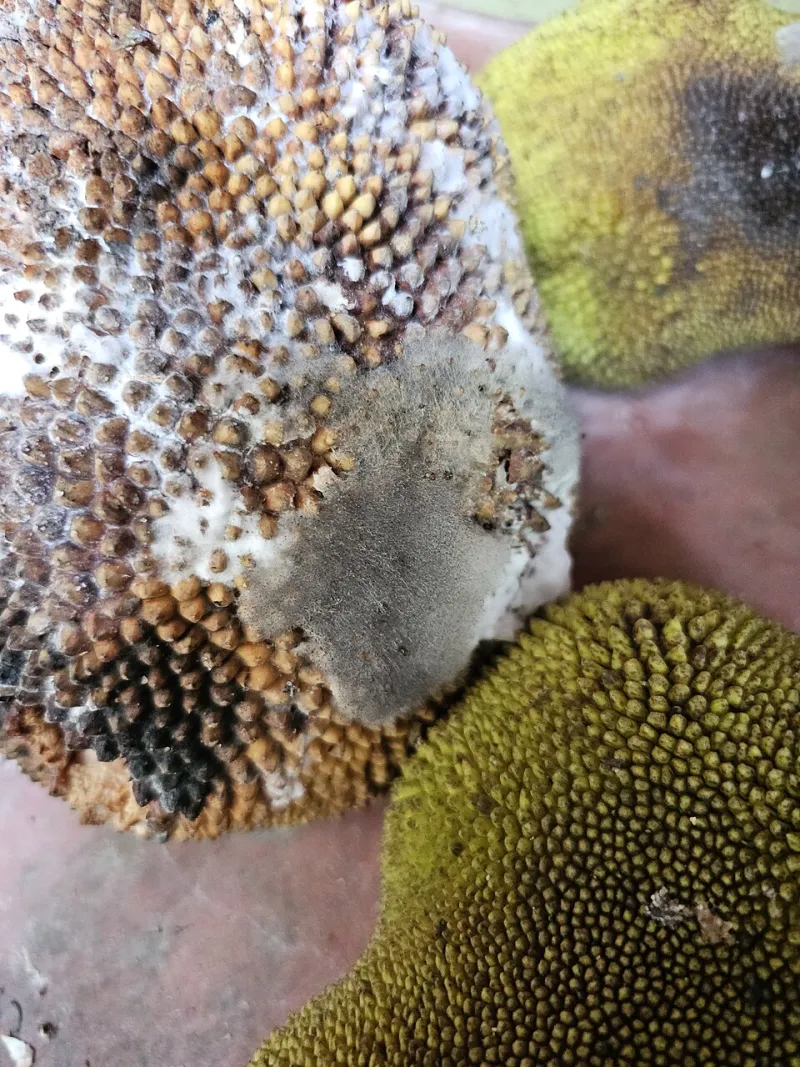
Photo: Shixart1985, CC BY 2.0, via Wikimedia Commons
Let me say the controversial thing up front: your gratitude journal might be making you feel worse.
Not because gratitude is bad — it isn't. The research on appreciation and wellbeing is solid. The problem is what the practice has become. Somewhere between the TED talks and the Instagram posts, "count your blessings" turned into another checkbox, another streak to maintain, another way to feel like you're failing at self-improvement because you wrote "family, health, coffee" for the fortieth straight day and felt absolutely nothing.
If that sounds familiar, you're not ungrateful. You're just doing a ritual instead of having a feeling. And there's a better way.
When Gratitude Becomes a Chores List
Here's what happens with rote gratitude practice: the brain is an efficiency machine. Do anything the same way enough times and it stops generating a response. "I'm grateful for my partner, my health, and my job" becomes the emotional equivalent of brushing your teeth — performed, not felt.
Worse, rote gratitude can slide into something sneakier: guilt. You write the list, feel nothing, and conclude something must be wrong with you. Other people would appreciate this life. Now you're not just numb, you're numb AND judging yourself for it. That's not positivity. That's a new way to fall short.
The Fix: Stop Listing, Start Noticing
The alternative isn't more gratitude. It's more specificity — and it doesn't have to involve writing anything down.
Instead of asking "what am I grateful for?" (abstract, repeatable, easy to fake), ask: "what was a good moment today?"
Not a blessing. A moment. Small, sensory, impossible to repeat from yesterday's entry.
- The way the light came through the blinds around 4 PM
- The first cold sip of the drink you actually wanted
- Your dog deciding your lap was the spot
- The song that came on right as you pulled out of the driveway
- Your kid saying something so weird you had to pull over
Feel the difference? "My family" is a category. "My daughter laughing at her own joke before she finished telling it" is a memory. Categories don't move you. Moments do.
Why Sensory Beats Abstract
Your brain doesn't do gratitude in the abstract. It does it through the body — through remembering what something actually felt like. When you recall a specific sensory moment, you get a miniature replay of the original experience. That replay is where the actual mood boost lives. A generic list gives your brain nothing to replay.
This is also why the practice works better as reflection than recording. You don't need a journal, an app, or a five-minute morning slot. You can do it in the shower, on the drive home, in the two minutes before you fall asleep. Just ask: what was one good moment today? Then let yourself actually sit inside it for a beat instead of moving on to the next thought.
And Yes, Some Days the Answer Is "Not Much"
Here's the emotionally honest part the gratitude industrial complex skips: some days are hard, and pretending otherwise is its own kind of dishonesty. On those days, the practice isn't to force a list of blessings. It's to notice something true and small — the hot shower that worked, the text from a friend, the fact that tomorrow gets another try.
Real appreciation doesn't require your life to be spectacular. It requires you to be paying attention. That's it. That's the whole practice.
So if the gratitude journal has gone stale, put it down. You're not behind. Just start catching your good moments — one unremarkable, completely ordinary Tuesday at a time.